Blog

  • Hello world!

    Welcome to WordPress. This is your first post. Edit or delete it, then start writing!

  • Chimpanzees at War the Shocking Split in Uganda’s Kibale

    Deep in the lush forests of Uganda, ‘cold war’ and brutal split is unfolding. The largest known community of wild chimpanzees on Earth has torn itself apart. What was once a tight-knit family of nearly 200 ape friends who shared food, groomed each other, and patrolled the jungle together is now locked in a deadly “civil war” that has already lasted eight long years.

    Researchers watching the Ngogo chimpanzees in Kibale National Park have never seen anything like it. Since 2018, they have counted at least 24 brutal killings. Seventeen of those victims were tiny infants. The attacks are cold and targeted. Former companions who used to hold hands are now hunting one another down.

    Lead scientist Dr. Aaron Sandel, from the University of Texas and co-director of the Ngogo Chimpanzee Project, put it simply: “These were chimps that would hold hands. Now they’re trying to kill each other.”

    How a Peaceful Family Turned Into Rivals

    For decades, the Ngogo chimpanzees lived in harmony. They had split into two loose teams, one known to scientists as the Western group and the other as the central group, but everyone still mixed freely. They ate together, played together, and defended their territory as one big community.

    Then, in June 2015, something changed. Dr. Sandel noticed the Western chimps suddenly running away while the Central group chased them aggressively. Chimpanzees are dramatic by nature. Usually, after a loud argument full of screams and chasing, they calm down, groom each other, and go back to being friends. This time was different.

    For six whole weeks, the two sides avoided each other completely. When they did meet again, the mood was darker. Interactions became shorter, sharper, and much more violent. By 2018, the break was final. The Western group began launching deadly raids on the Central chimps. In 24 recorded attacks, at least seven adult males and 17 babies from the Central side lost their lives. Scientists believe the real death toll is even higher.

    Chimpanzees have always been territorial. They treat outsiders with suspicion and fear, almost like humans fear strangers. But until now, no one had seen such a huge, long-term group destroy itself from the inside.

    What Triggered the Deadly Rift?

    The researchers say the split didn’t happen for just one reason. The community had grown very large, which meant more competition for food and space. Male chimps also fight fiercely to mate and rise in rank. But three major events seem to have pushed the peace over the edge.

    First, back in 2014, five adult males and one adult female died suddenly for unknown reasons. These losses weakened the social bonds that held the whole group together.

    The very next year, in 2015, the top-ranking alpha male changed. That power shift happened at exactly the same time the two sides started pulling apart. Scientists know that changes in who’s in charge can make chimps more aggressive and more likely to avoid old friends.

    Then came 2017 a terrible year. A respiratory illness swept through the forest and killed 25 chimpanzees, including four adult males and ten adult females. One of the males who died had been one of the last animals still connecting the two sides. When he was gone, the final threads holding the community together snapped.

    After that, the Western chimps started the lethal attacks that continue to this day.

    What This Means for Us Humans

    The story of the Ngogo chimpanzees is more than just animal drama. It forces us to look again at why humans fight wars.

    These apes are among our closest living relatives. They share a huge amount of our DNA. Yet they turned on each other without any of the things we usually blame for human conflict, no religion, no ethnic differences, no political parties. They simply started seeing old friends as enemies based only on which new group they belonged to.

    In their scientific paper, Dr. Sandel and his team wrote: “Individuals who lived, fed, groomed, and patrolled together for years became targets of lethal attacks on the basis of their new group membership.”

    Dr. James Brooks, a researcher at the German Primate Center, agrees that this is an important warning. Writing in the journal Science, he called the Ngogo story “a reminder of the danger that group divisions can present to human societies.”

    He added that humans should study how other animals behave in both war and peace. Our evolutionary past may push us toward conflict, but it does not have to decide our future.

    The Ngogo chimpanzees once showed us the beauty of cooperation. Now they are showing us how quickly trust can shatter and how deadly the results can be. Their eight-year civil war is a powerful lesson that even the strongest bonds can break when groups drift too far apart.

    The Ngogo chimpanzee project is mostly research based with limited chimpanzee tracking extended to visitors at a fee of US$500. Though the project’s main focus is chimpanzee research, you can obtain a chimpanzee permit from the Uganda Wildlife Authority to experience what goes on in daily research.


  • Asilia Africa Expands into Uganda with Erebero Hills Lodge

    Asilia Africa Expands into Uganda with Erebero Hills Lodge

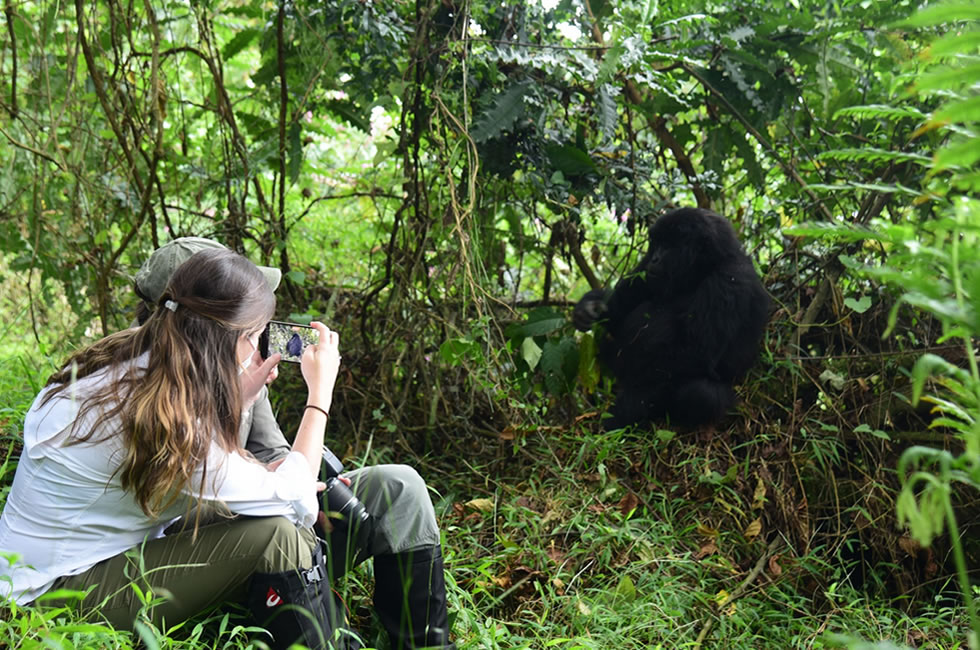
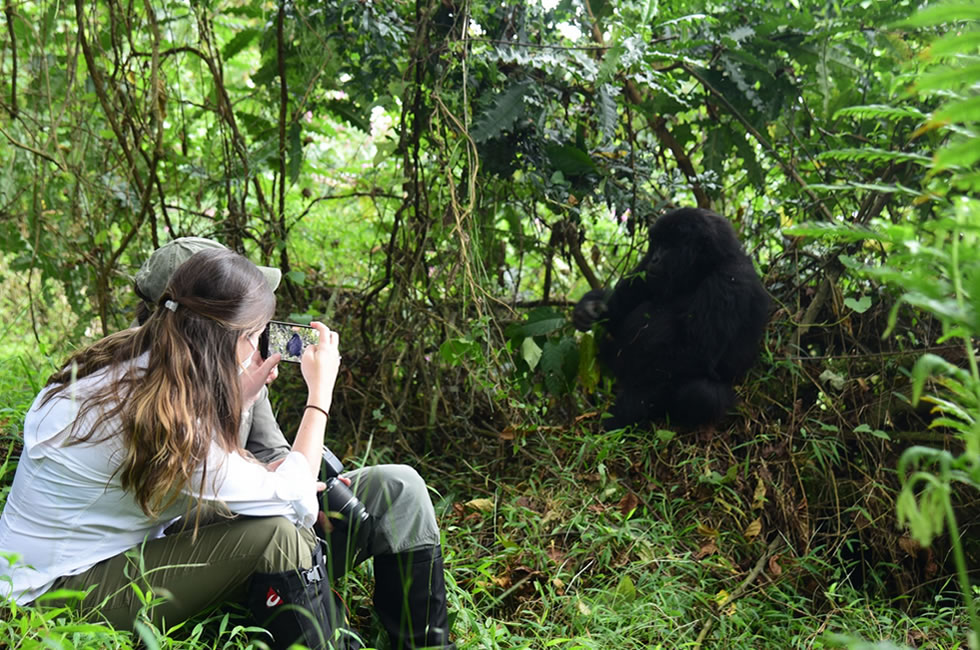
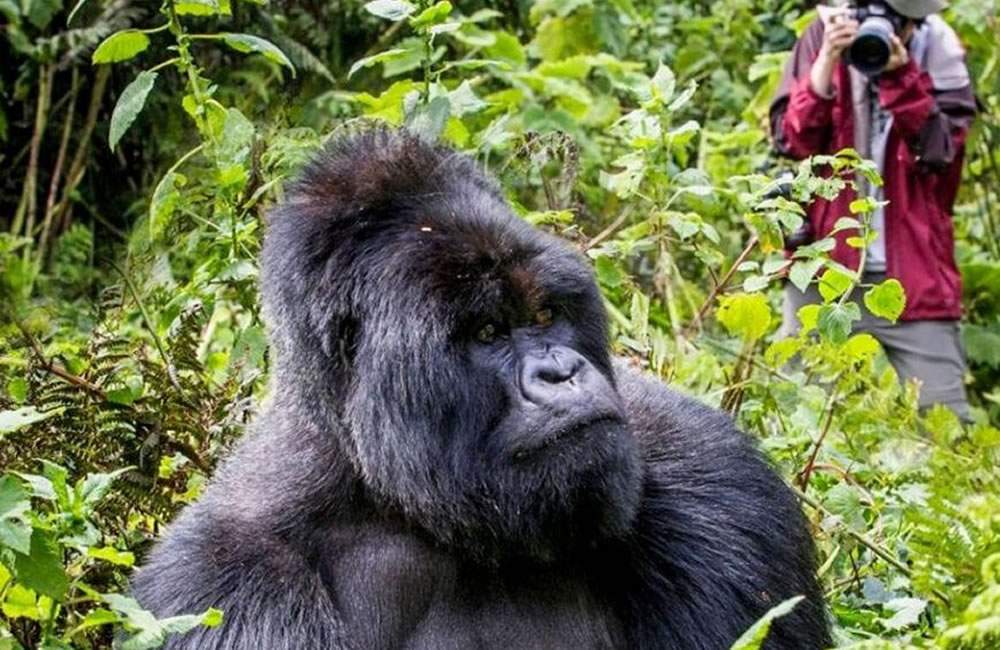
    In a move set to redefine luxury travel in Uganda, Asilia Africa has announced its first-ever venture into the country with the unveiling of Erebero Hills, an exclusive eight-suite lodge scheduled to open in mid-2026. Perched on the northern edge of Bwindi Impenetrable Forest, a UNESCO World Heritage Site famed for its mountain gorillas, Erebero Hills promises a blend of high-end comfort, conservation, and community engagement.

    A New Chapter in Gorilla Trekking Tourism

    Erebero Hills marks Asilia’s bold entry into Uganda’s growing mountain gorilla trekking market, placing it among the top luxury brands in the region. The lodge is set on 45 acres of reforested land, offering direct access to Bwindi Impenetrable National Park—home to more than half of the world’s remaining mountain gorilla population.

    Each of the eight suites will be designed for complete immersion in nature. Guests can look forward to private forest-view decks, outdoor showers, and freestanding bathtubs that open to the misty hills of Bwindi. The interiors will reflect a natural aesthetic, drawing inspiration from the surrounding wilderness while maintaining Asilia’s signature sophistication.

    Elegance Meets Wilderness

    The main lodge will serve as a tranquil sanctuary after a day of trekking. Guests will enjoy a swimming pool and sun deck, poolside bar, sunken lounge with a fireplace, library, and spa treatment rooms overlooking the forest canopy.

    Rates will range from $1,100 per person per night in low season to $2,000 in high season, placing Erebero Hills among Uganda’s most exclusive safari accommodations.

    Rooted in Community and Conservation

    True to its name—Erebero meaning “a place of watching” in the local Rukiga language—the lodge is designed to do more than just offer views. It aims to create a meaningful connection between guests, the forest, and the communities that call it home.

    Asilia Africa has partnered with Change a Life Bwindi, a community-based organization working with the Batwa and Bakiga peoples. Together, they will promote local employment, cultural exchange, and sustainable tourism practices. In a major reforestation effort, the partnership will see the planting of 25,000 indigenous trees, expanding wildlife habitat and forming a natural buffer zone between the lodge and the national park.

    Sustainable Design in Harmony with Nature

    Designed by Pablo Luna Studios, Erebero Hills will blend seamlessly into its lush surroundings. The lodge will feature locally sourced materials such as bamboo, stone, and rammed earth. The architectural layout will follow the forest’s natural contours, using terraces and elevated walkways to minimize environmental impact while maximizing panoramic views.

    Beyond Gorilla Trekking

    While gorilla trekking will remain the main draw, Erebero Hills will offer a range of activities designed to deepen guests’ connection to Bwindi’s ecosystem and culture. Visitors can embark on forest walks, waterfall hikes, and tea plantation tours, or participate in Batwa cultural experiences that celebrate Uganda’s indigenous heritage.

    For those seeking relaxation, the lodge’s wellness program will include forest bathing sessions, yoga in the gardens, and guided meditation beneath the ancient trees.

    A Promise of Purposeful Travel

    With Erebero Hills, Asilia Africa is not just expanding its footprint, it is reaffirming its philosophy of “meaningful safaris that make a difference.” The new lodge will give travelers a chance to experience the heart of Uganda’s wilderness while contributing to its preservation and the well-being of its people.

    When Erebero Hills opens its doors in 2026, it will stand as a beacon of eco-luxury, cultural respect, and conservation leadership, a new dawn for responsible travel in Uganda’s gorilla highlands.